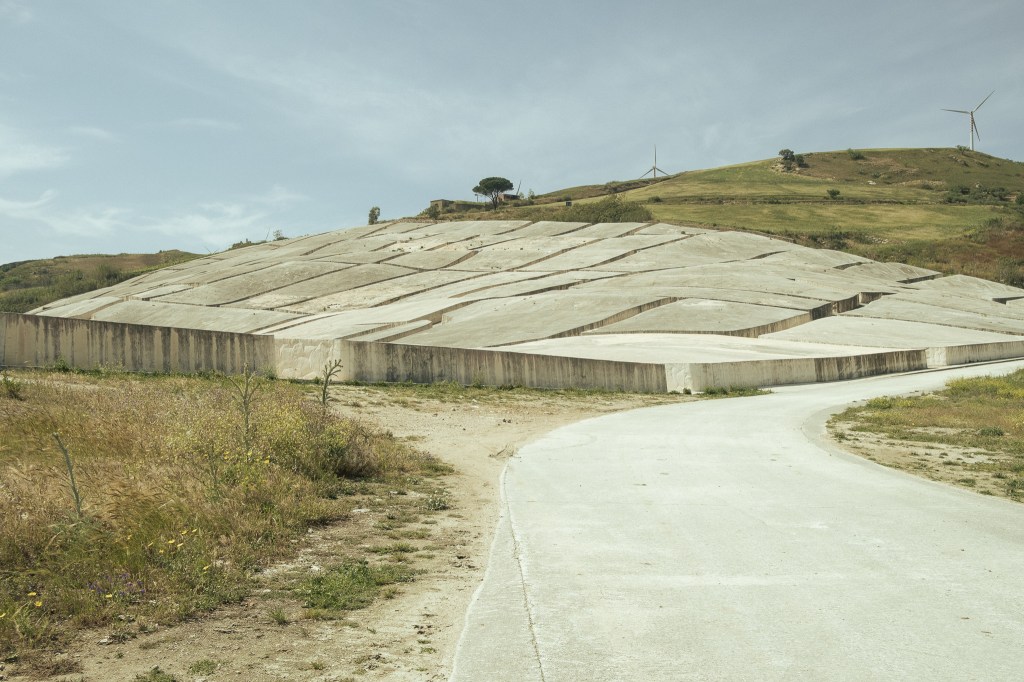
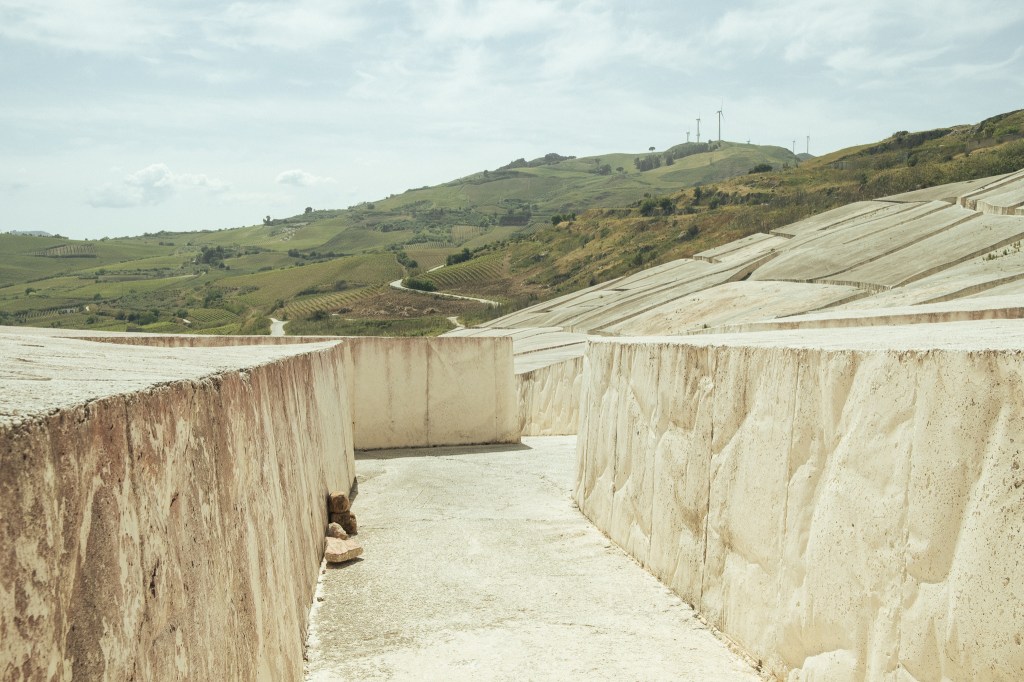
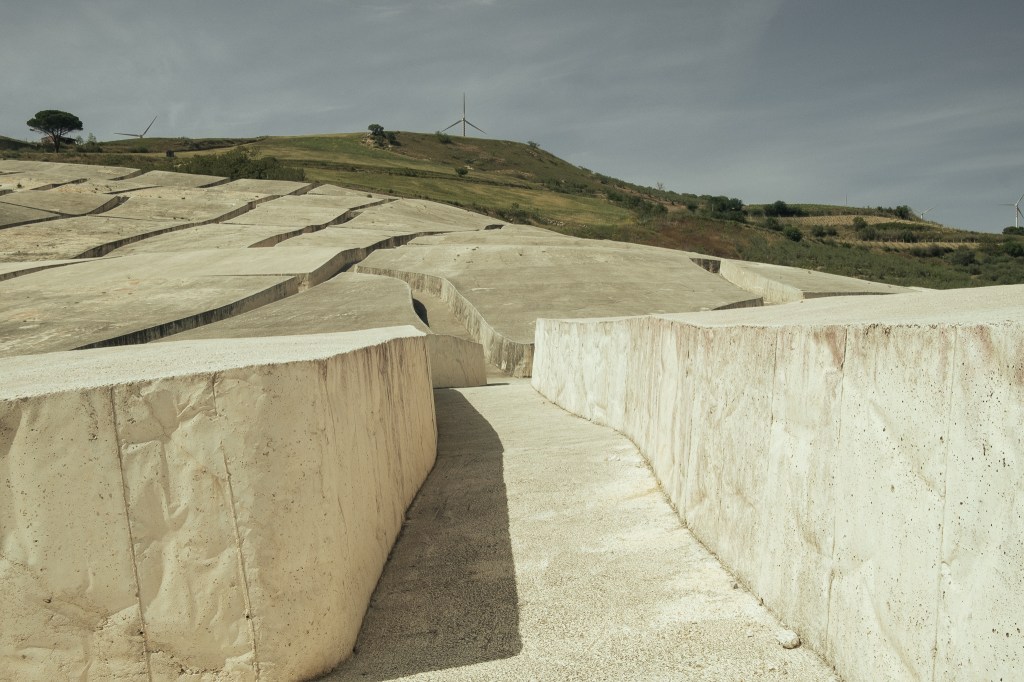
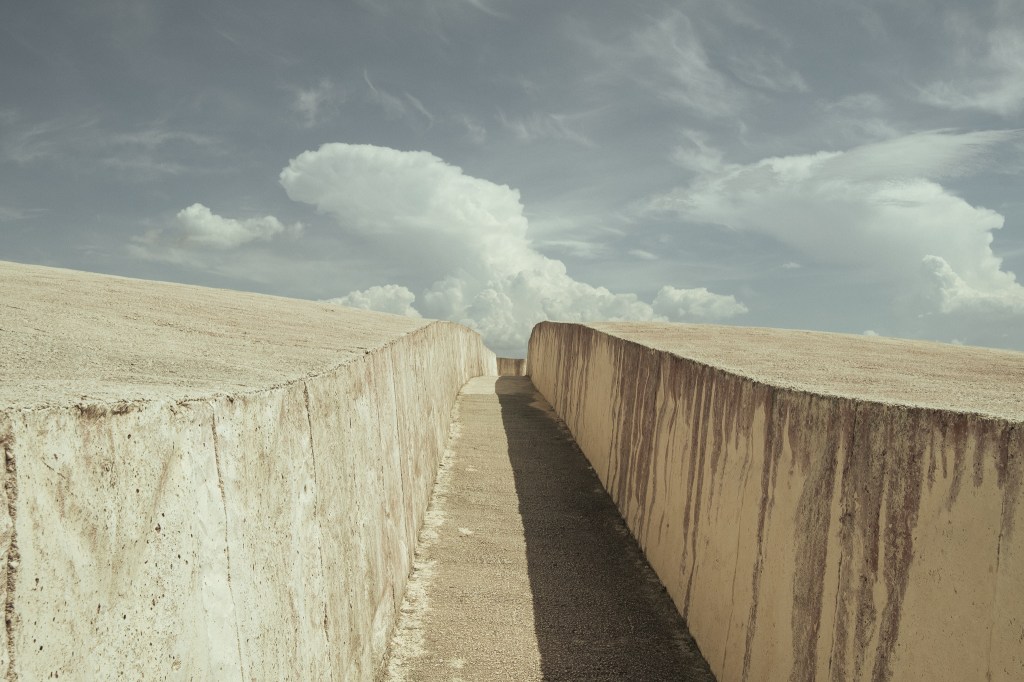
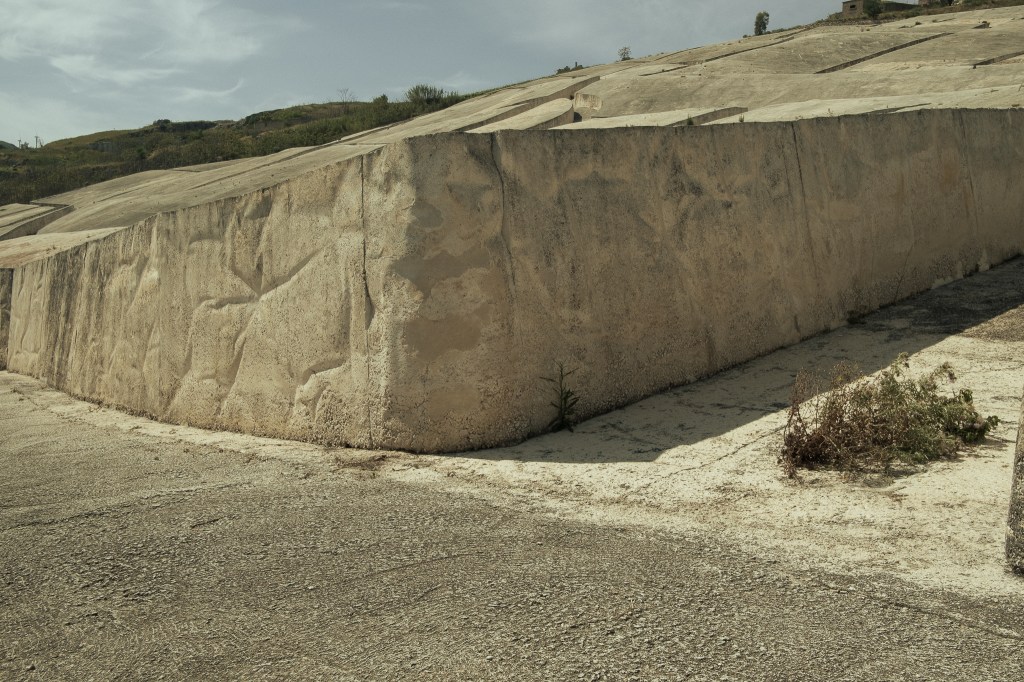
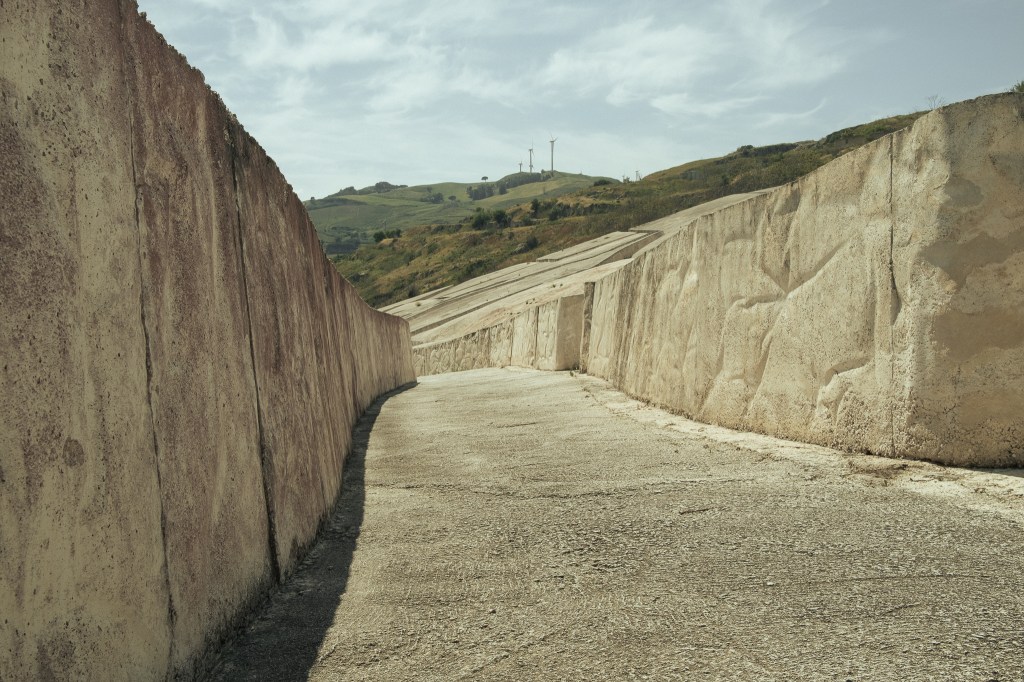
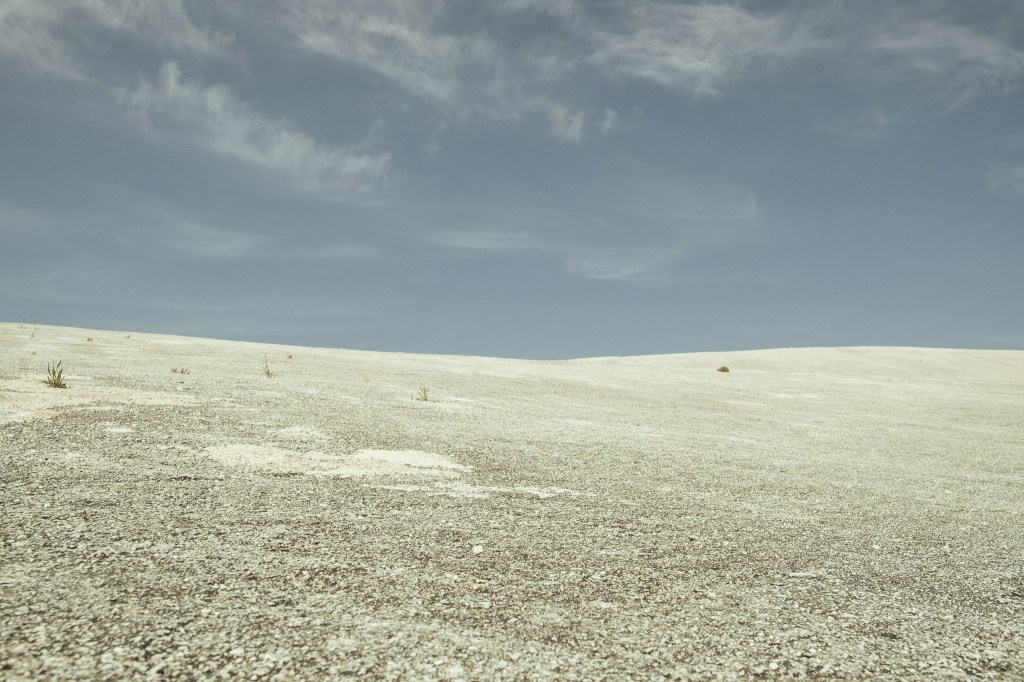
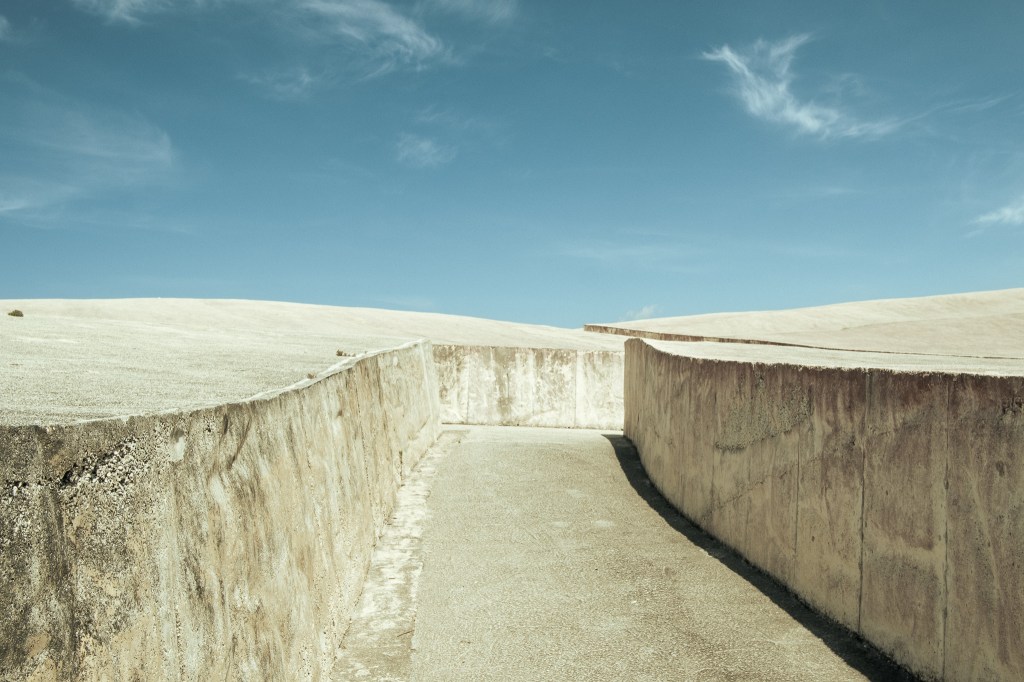
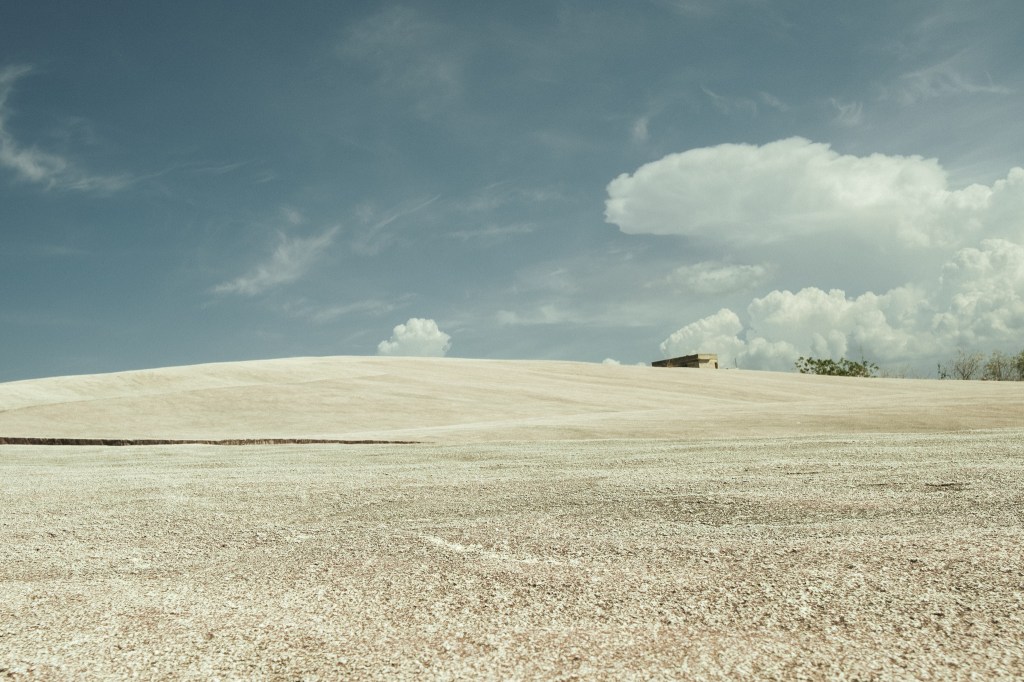
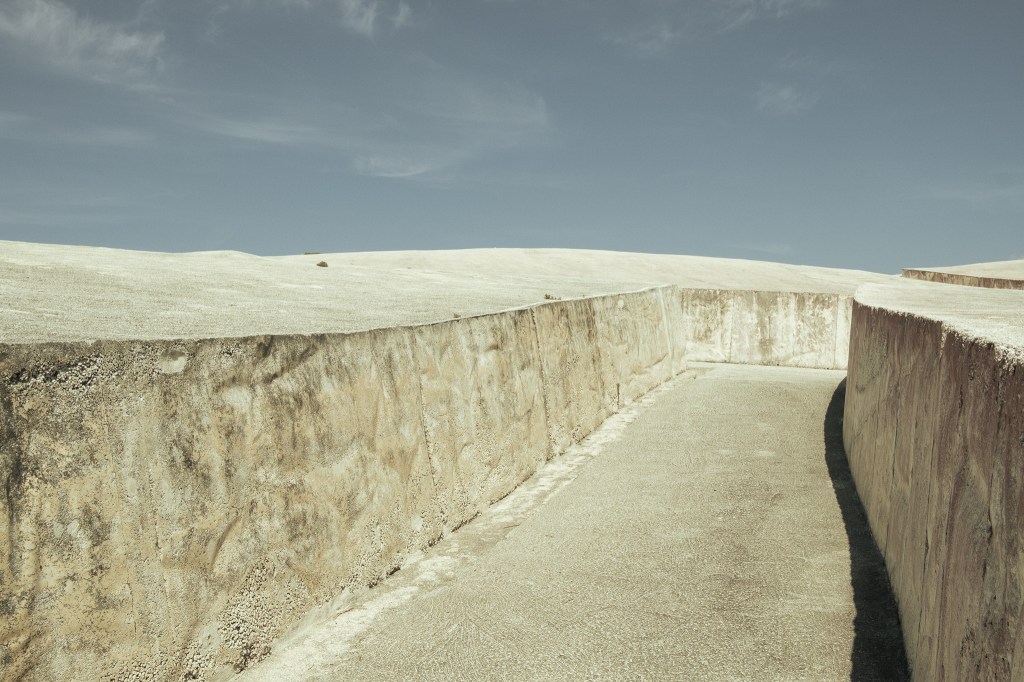
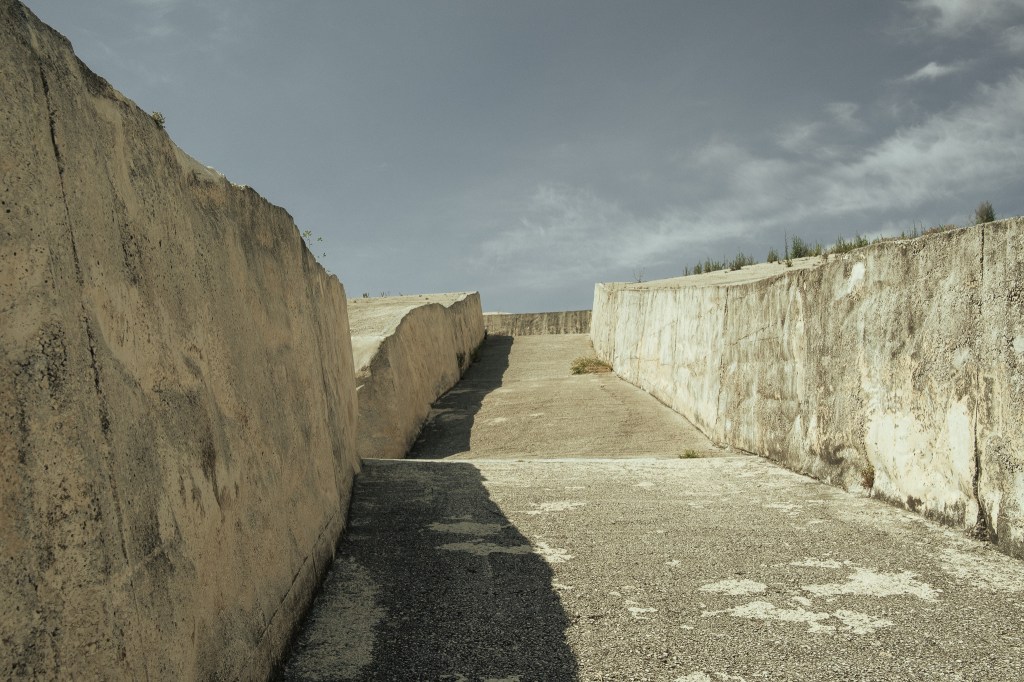
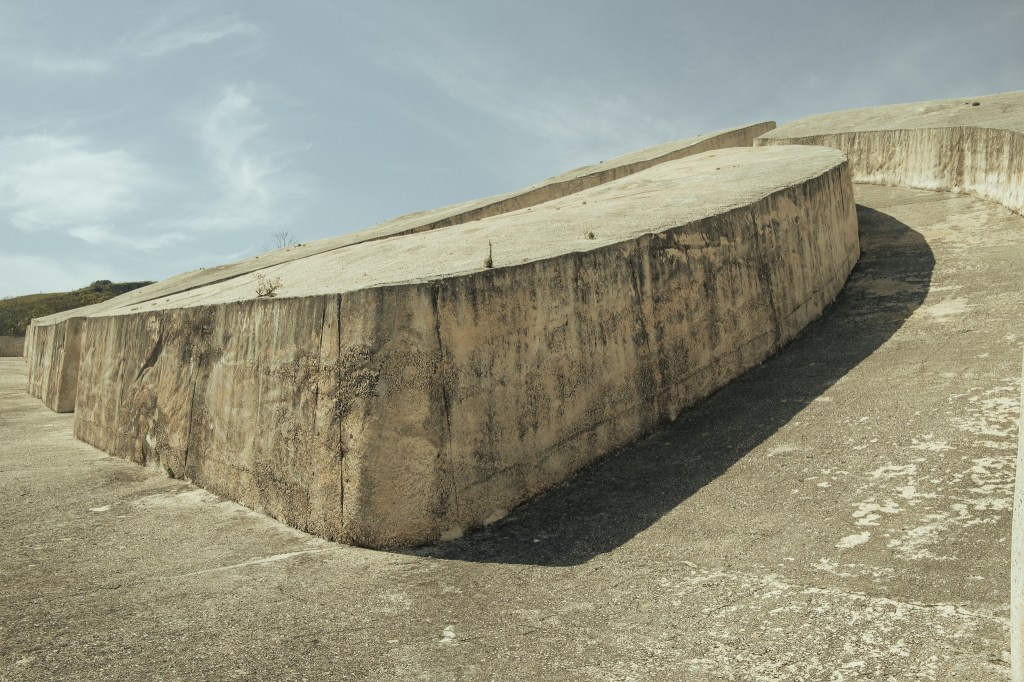
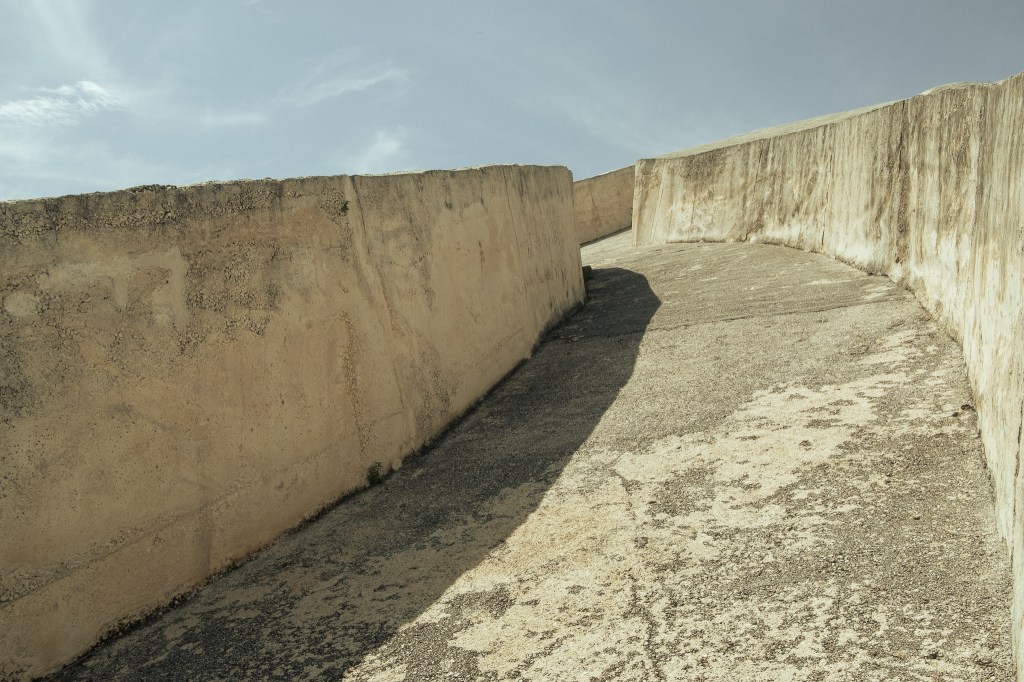
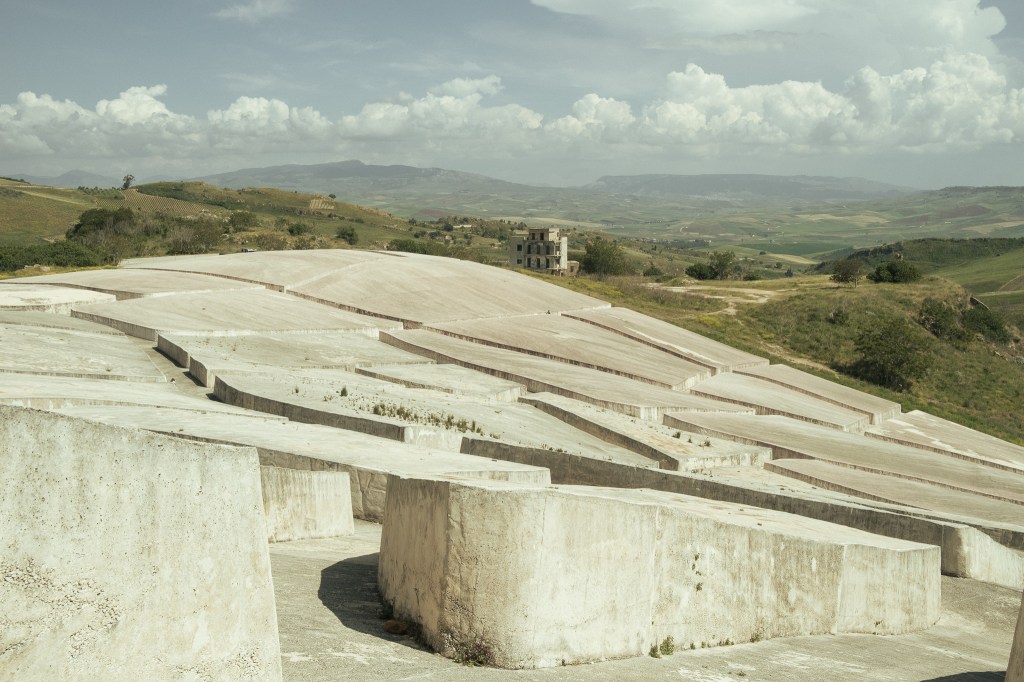
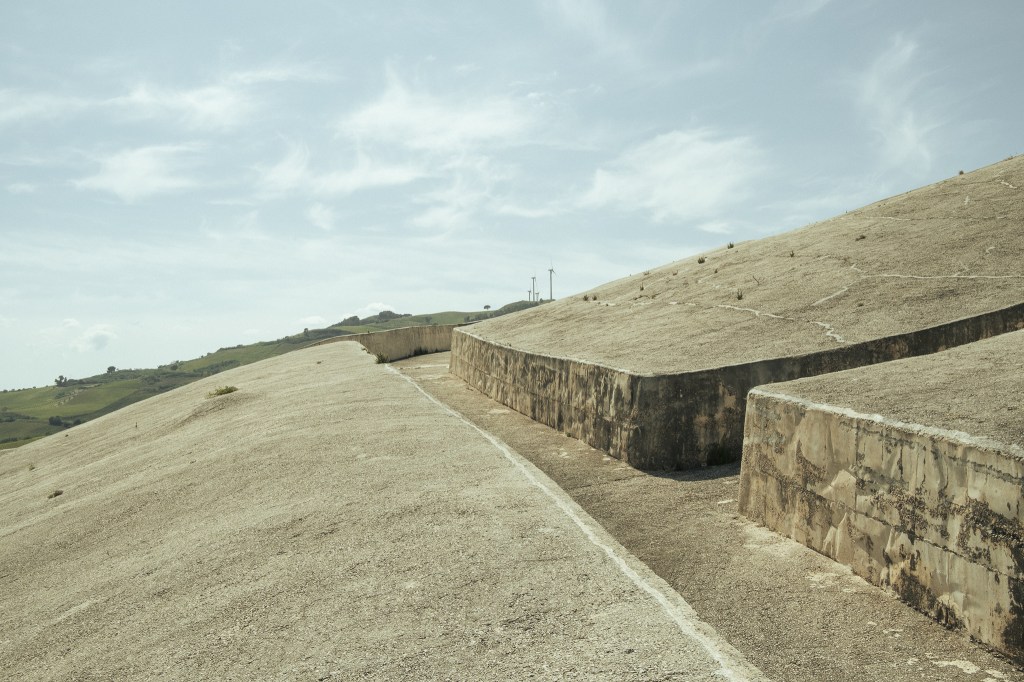
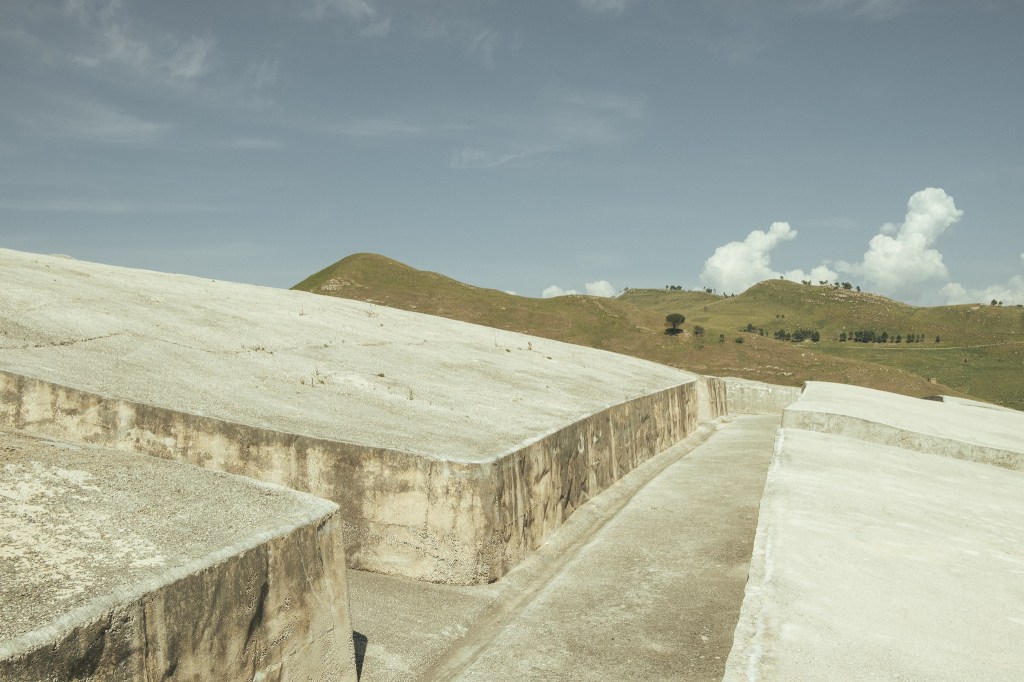
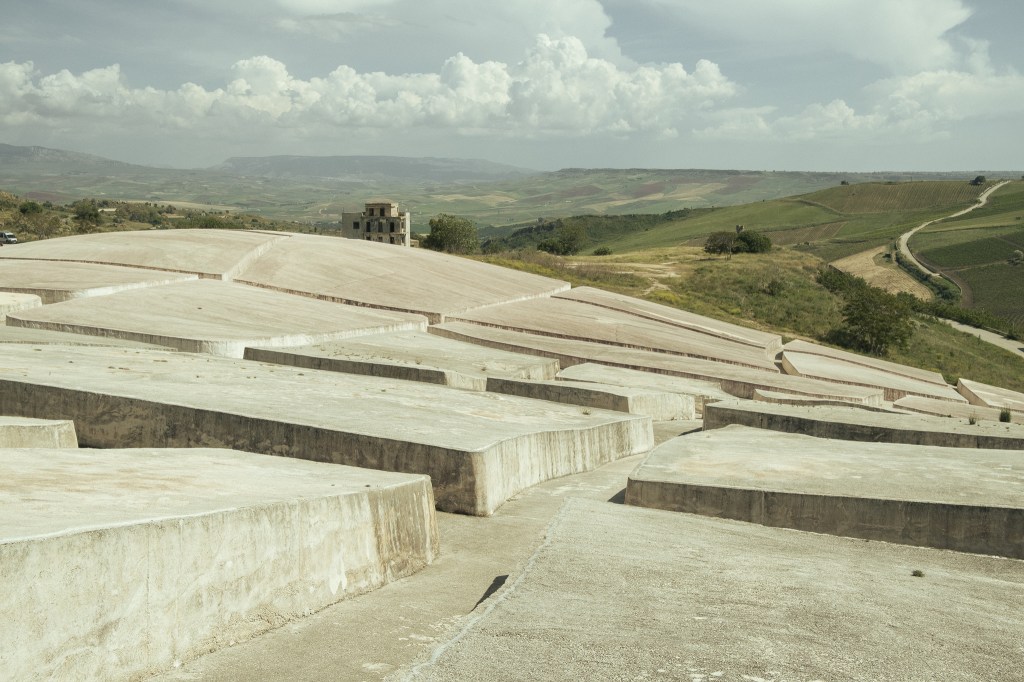
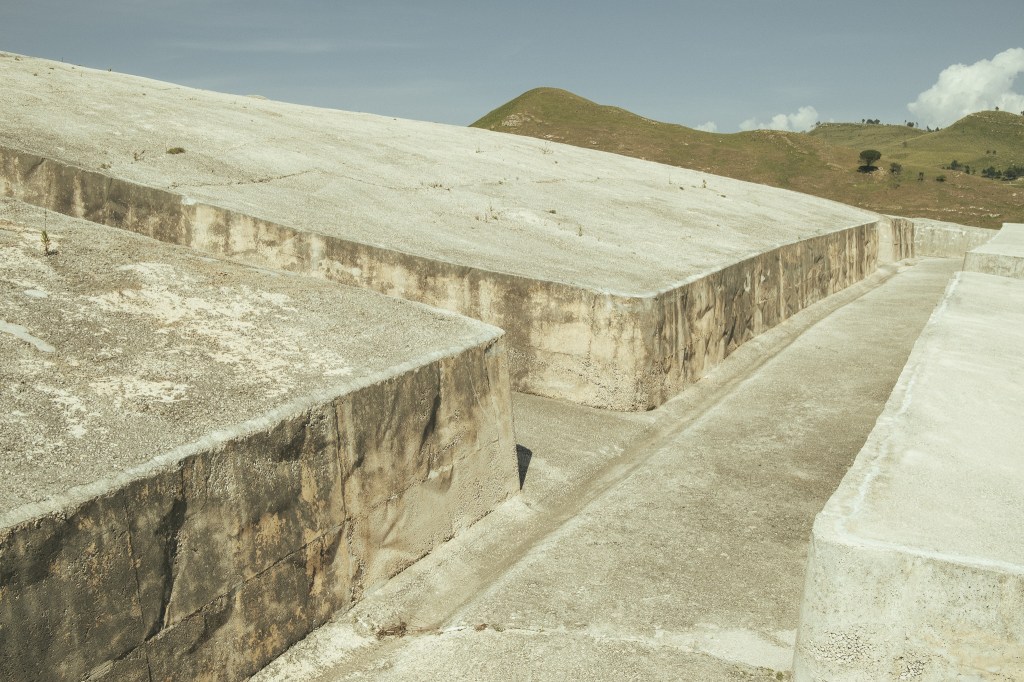
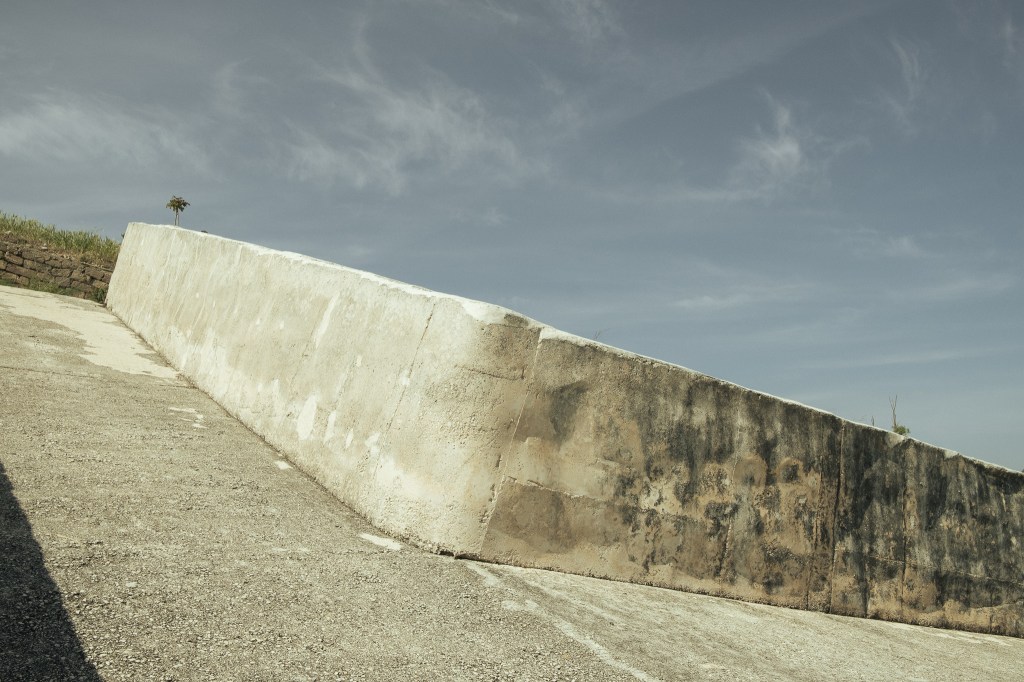
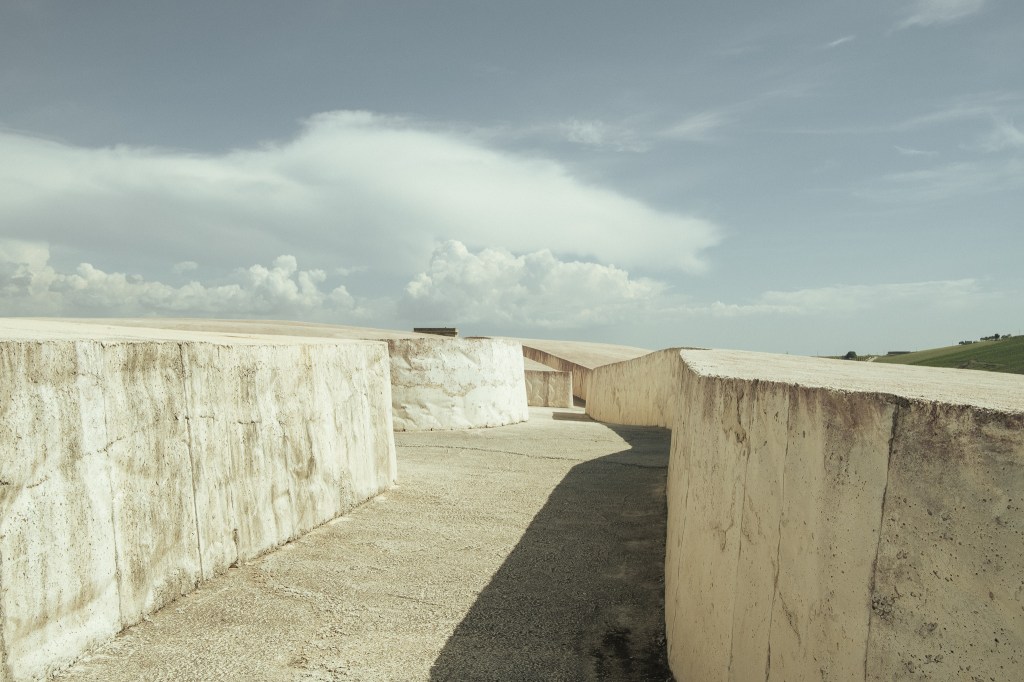
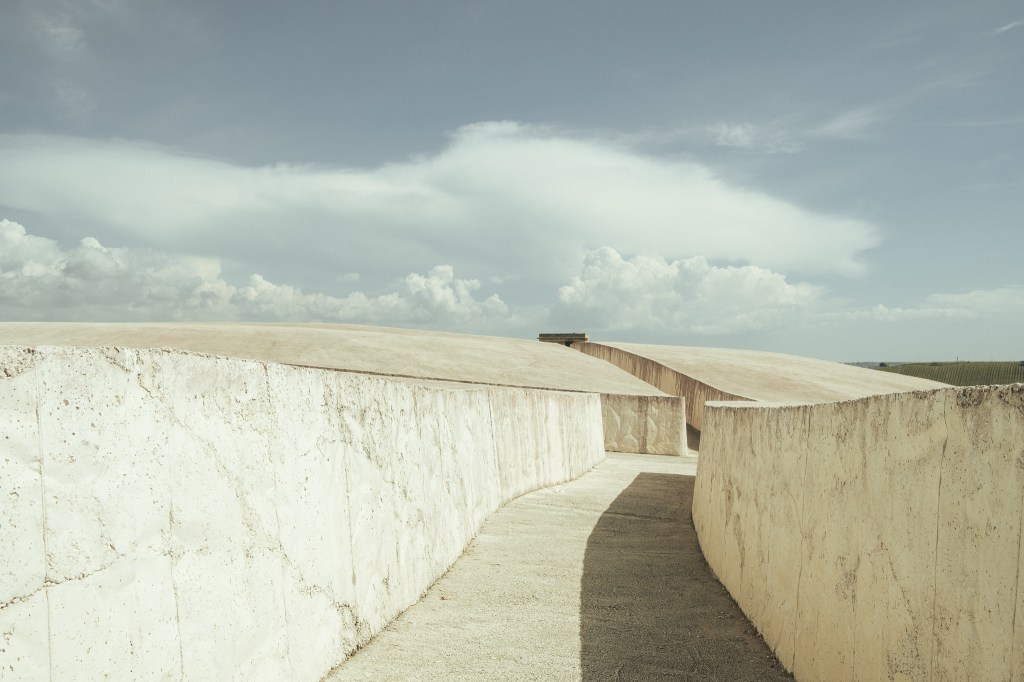
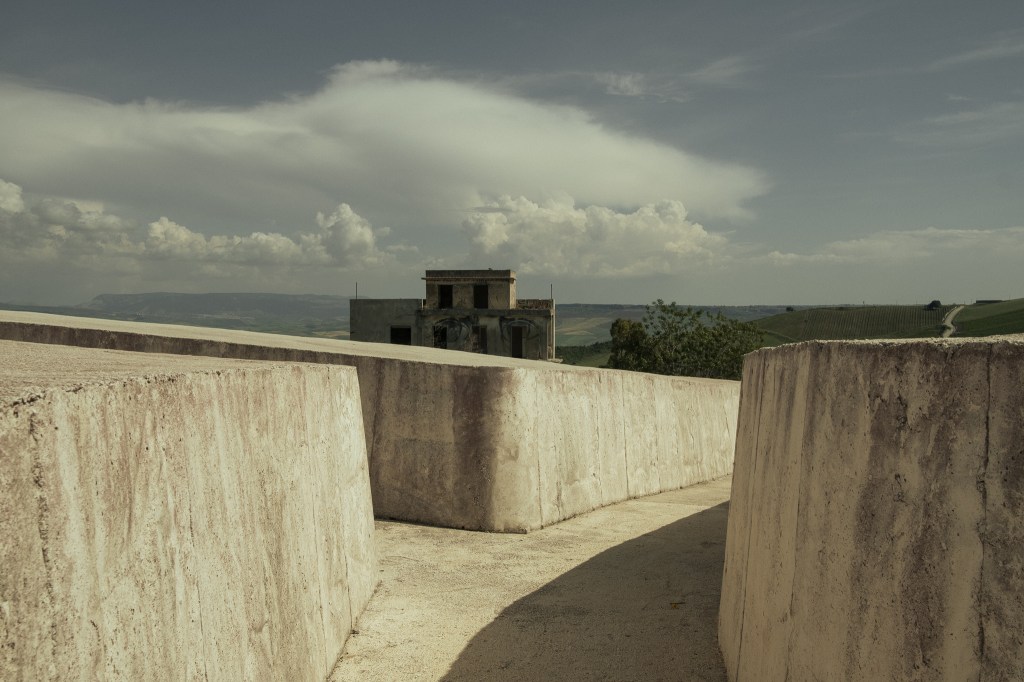
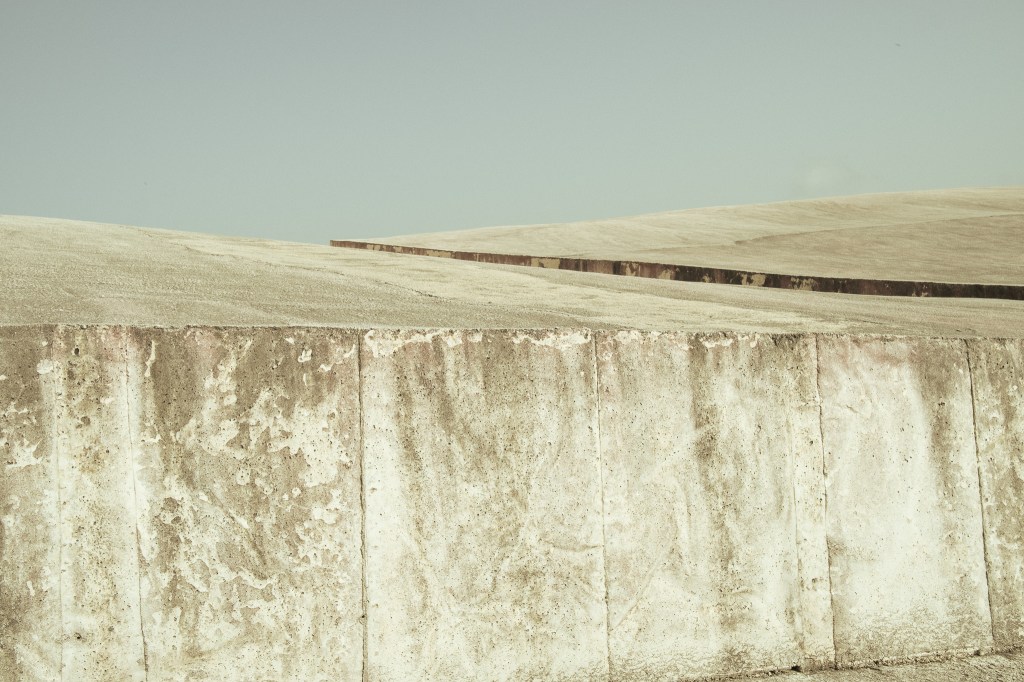
Sotto il sole abbacinante della Sicilia, il Grande Cretto di Burri distende le sue membra come un sudario di cemento. Non è solo un’opera: è un silenzio minerale che ha sigillato per sempre il grido della vecchia Gibellina. Camminare tra le sue fenditure, che ricalcano fedelmente le strade sepolte dal sisma del ’68, significa scendere nelle vene scoperte di un ricordo pietrificato. Qui la Land Art abbandona la sfida estetica per farsi chirurgia del paesaggio. Burri non ha usato la terra come una tela, ma come un organismo ferito da ingessare. Se la Land Art americana cercava il sublime negli spazi vuoti, qui l’arte è “storia-specifica”: una cicatrice bianca che trasforma il dolore in roccia per sottrarlo all’oblio. Ogni blocco è un volume di storie interrotte, una biblioteca di assenze che il bianco, colore di un lutto senza lacrime, protegge dall’erosione del tempo. Il Cretto non guarda alle stelle; tiene lo sguardo fisso a terra, trattenendo i fantasmi tra le sue pieghe. È l’impronta digitale di un gigante stanco, un atto di resistenza dove il cemento, sporcandosi di polvere, respira insieme ai cardi selvatici. Uscendo da questo labirinto, resta addosso il peso di un addio che l’arte ha reso eterno, impedendo alla natura di riassorbire una perdita troppo vasta per essere dimenticata.
Under the dazzling Sicilian sun, Burri’s Grande Cretto stretches out like a concrete shroud. It is not just a work of art: it is a mineral silence that has sealed the cry of old Gibellina forever. Walking among its cracks, which faithfully trace the roads buried by the 1968 earthquake, means descending into the exposed veins of a petrified memory. Here, Land Art abandons the aesthetic challenge to become landscape surgery. Burri did not use the earth as a canvas, but as a wounded organism to be plastered. If American Land Art sought the sublime in empty spaces, here art is “history-specific”: a white scar that transforms pain into rock to save it from oblivion. Each block is a volume of interrupted stories, a library of absences that white, the colour of mourning without tears, protects from the erosion of time. The Cretto does not look to the stars; it keeps its gaze fixed on the ground, holding ghosts within its folds. It is the fingerprint of a weary giant, an act of resistance where concrete, covered in dust, breathes alongside wild thistles. Leaving this labyrinth, one is left with the weight of a farewell that art has made eternal, preventing nature from reabsorbing a loss too vast to be forgotten.
 Massimiliano Tempesta