Conseguenze
Un terremoto secondo la Treccani è un movimento di
una porzione, più o meno grande, di superficie
terrestre. Ma un terremoto è anche tanto altro,
soprattutto un terremoto è un insieme di
“conseguenze”. Le conseguenze di un terremoto sono
i segni più duraturi che lascia. Conseguenze sulle
persone, sulle cose, sul territorio. Conseguenze
che possiamo definire dirette ed indirette. Molte
volte le conseguenze indirette sono quelle che più
lasciano segni sia visibili che invisibili.
Attraversando la Valle del Belice, passeggiando
tra le sue cittadine ricostruite si incontrano le
conseguenze del terremoto del 68. Nel gennaio del
1968 uno spaventoso terremoto devastò la Valle del
Belice, provocando decine di vittime, la
distruzione di intere cittadine, lasciando segni
ancora oggi visibili. Le cittadine di Gibellina,
Partanna, Santa Ninfa, Montevago, Poggioreale e
Salaparuta completamente rase al suolo furono
abbandonate. Conseguenze del terremoto furono
delle decisioni da parte delle autorità, locali e
nazionali, che portarono allo spopolamento della
valle, alla ricostruzione delle cittadine
distrutte ma non tenendo conto dei vecchi impianti
urbani, ma spostate di poche centinaia di metri o
decine di chilometri. I paesi ricostruiti sono le
conseguenze di una politica “visionaria”, mossa da
ottime intenzioni, che non tenne contro della
storia e della cultura territoriale della valle. I
paesi furono ricostruiti seguendo criteri
architettonici, probabilmente, troppo lontani
dallo spirito e dalla storia della Belice, non
rispettando il modo di vivere dei suoi abitanti.
Le conseguenze furono la fuga degli abitanti ed
una popolazione rimasta che non si riconosceva nei
nuovi paesi, che si sentiva aliena. Le nuove
piazze, le nuove chiese, le nuove abitazioni, non
erano come quelle di una volta con il loro potere
aggregativo e sociale.
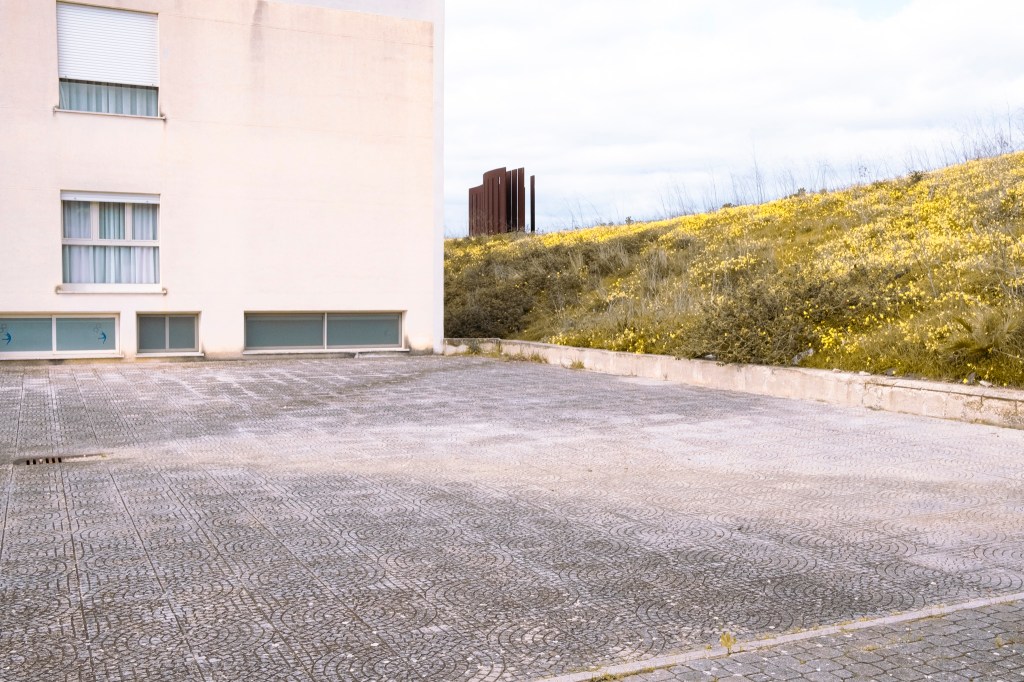
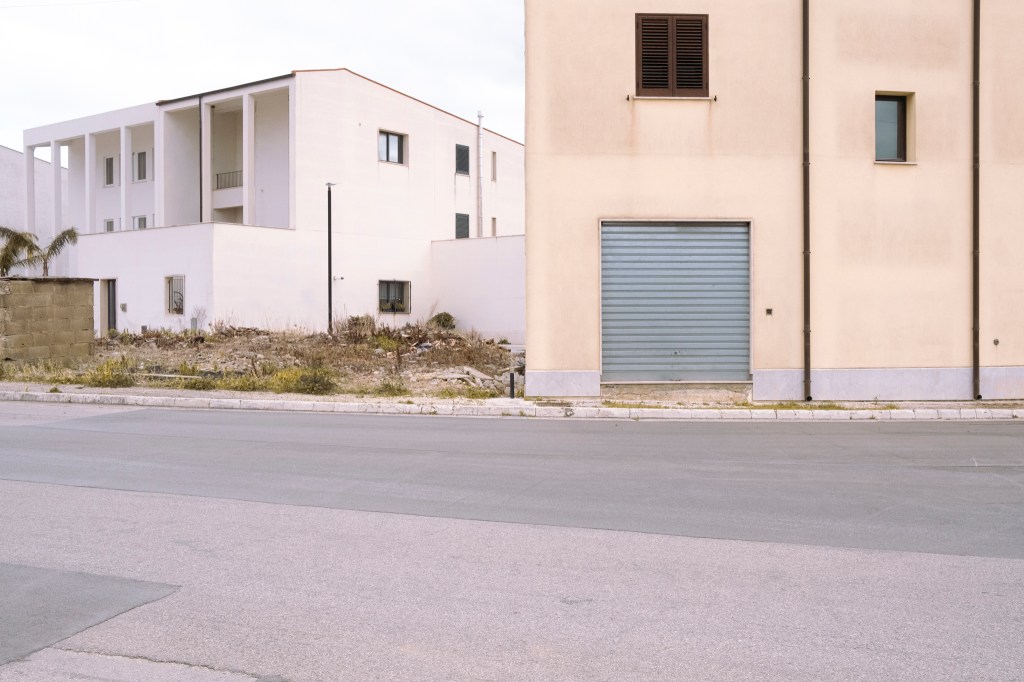
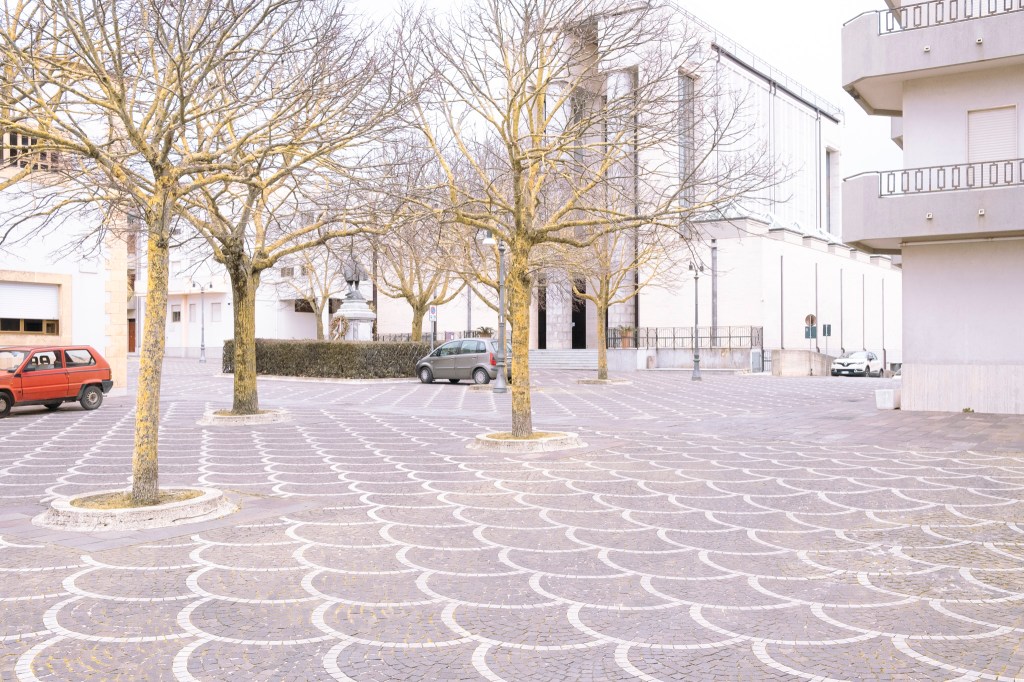
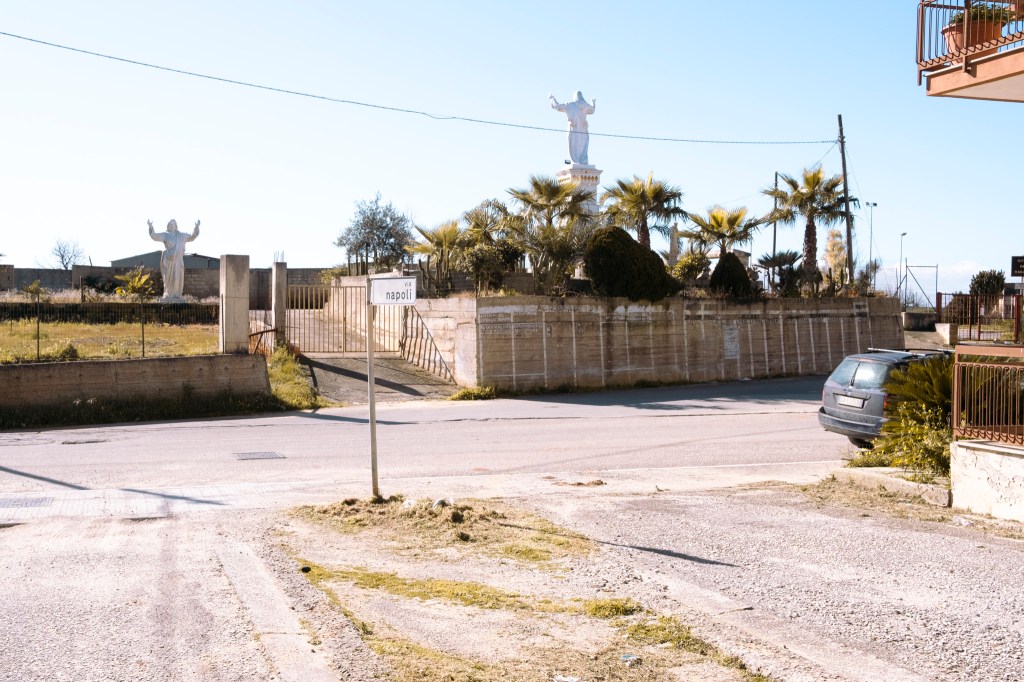
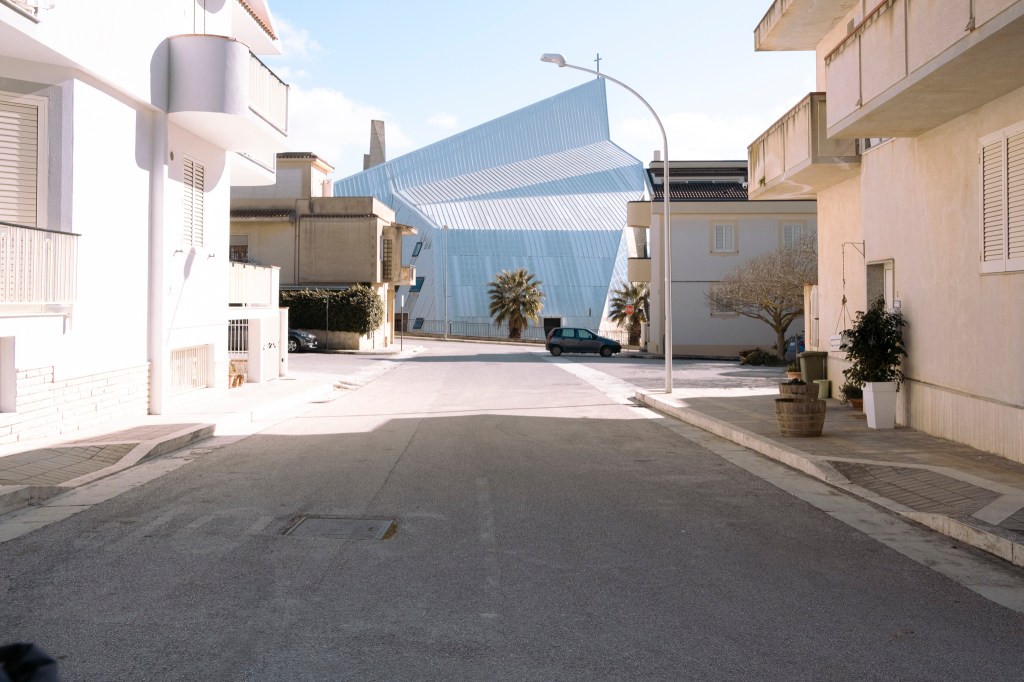
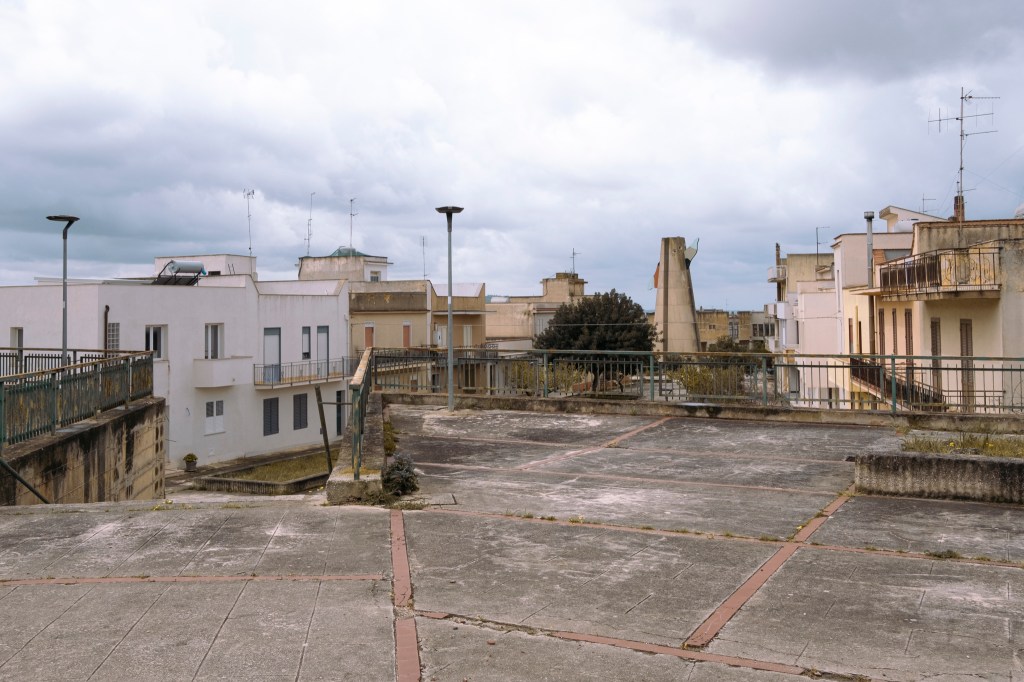
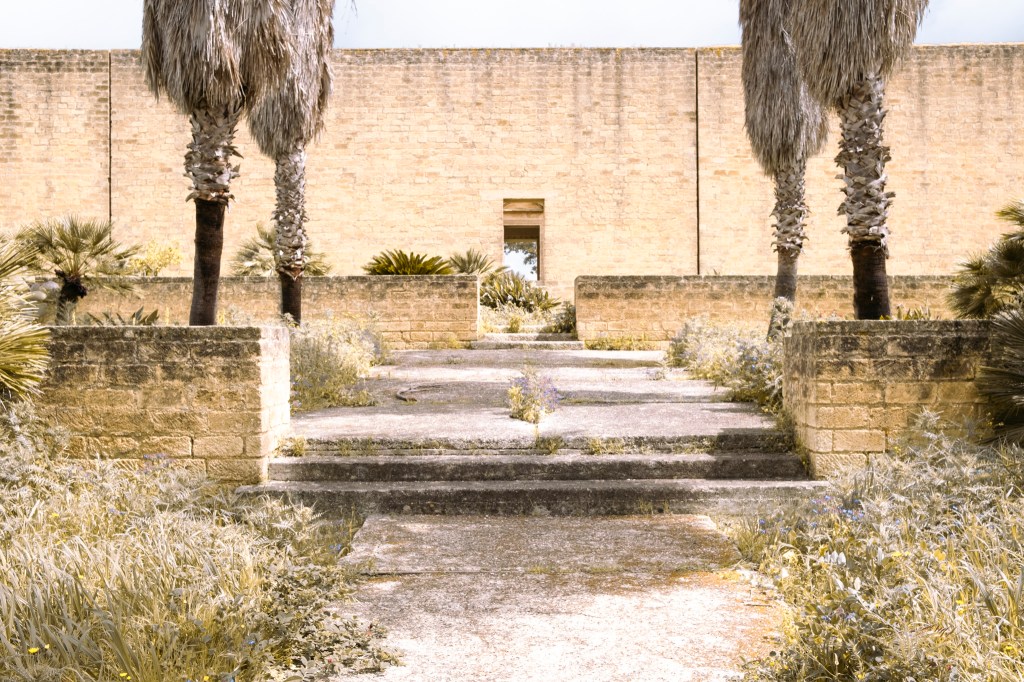
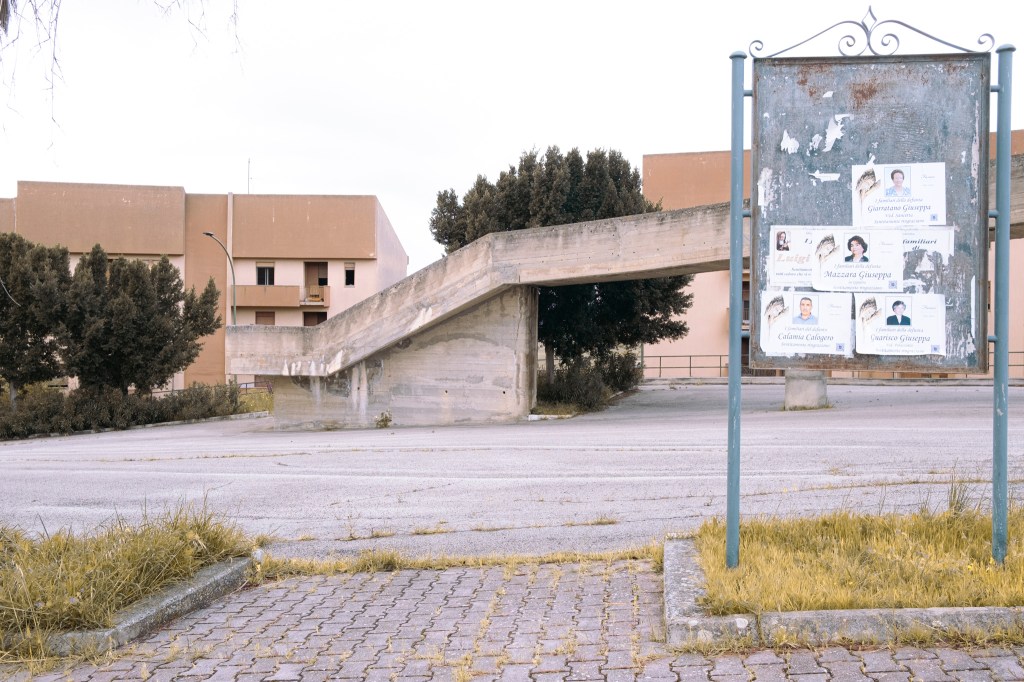
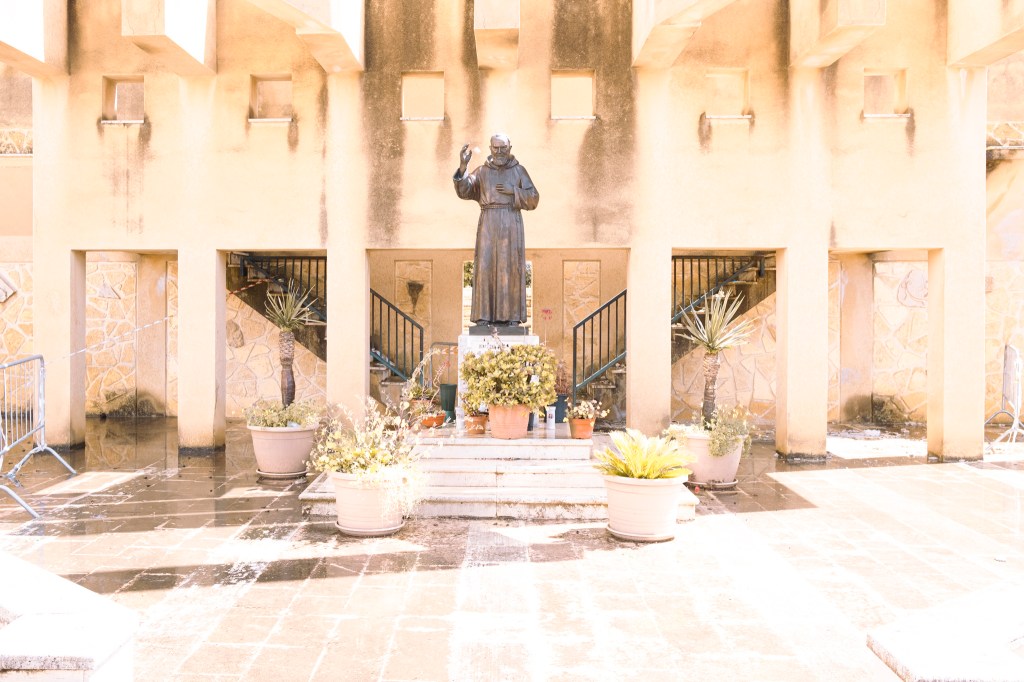
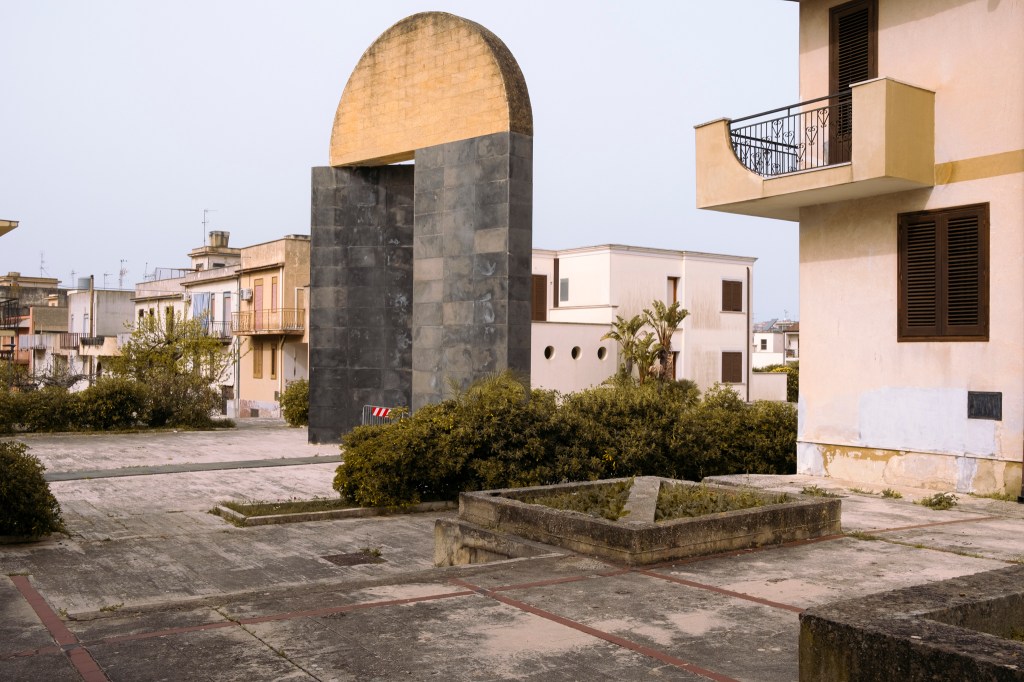
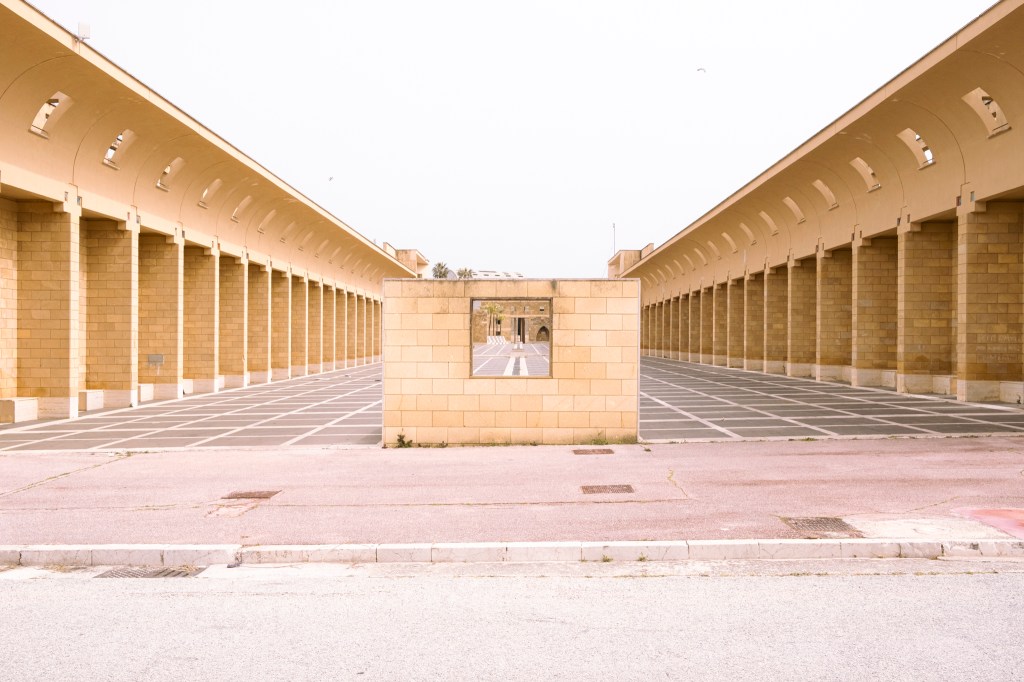
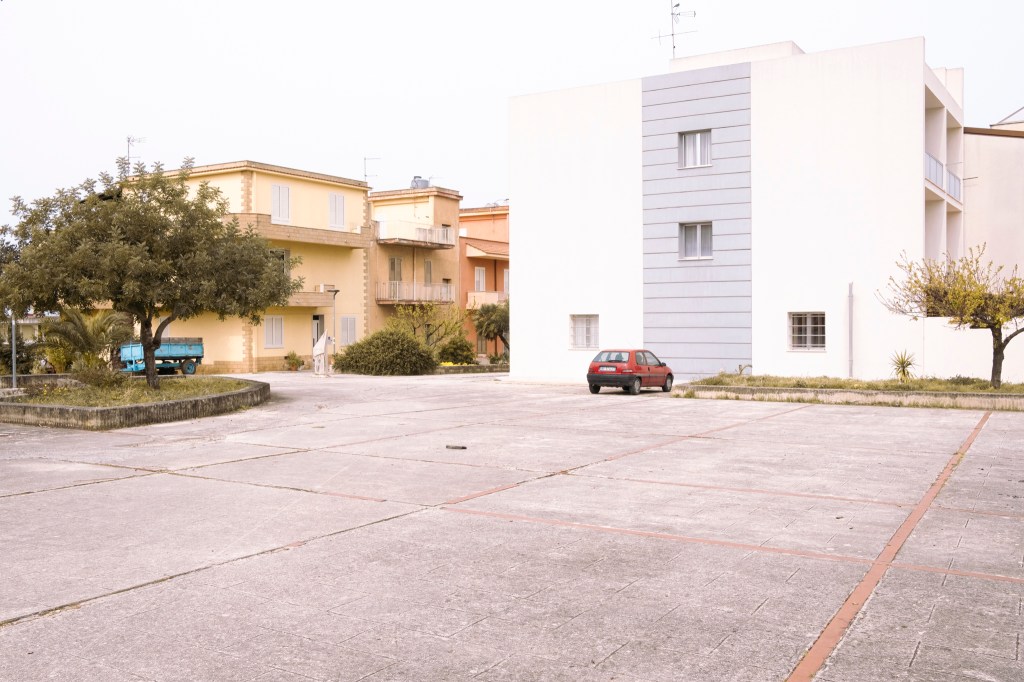
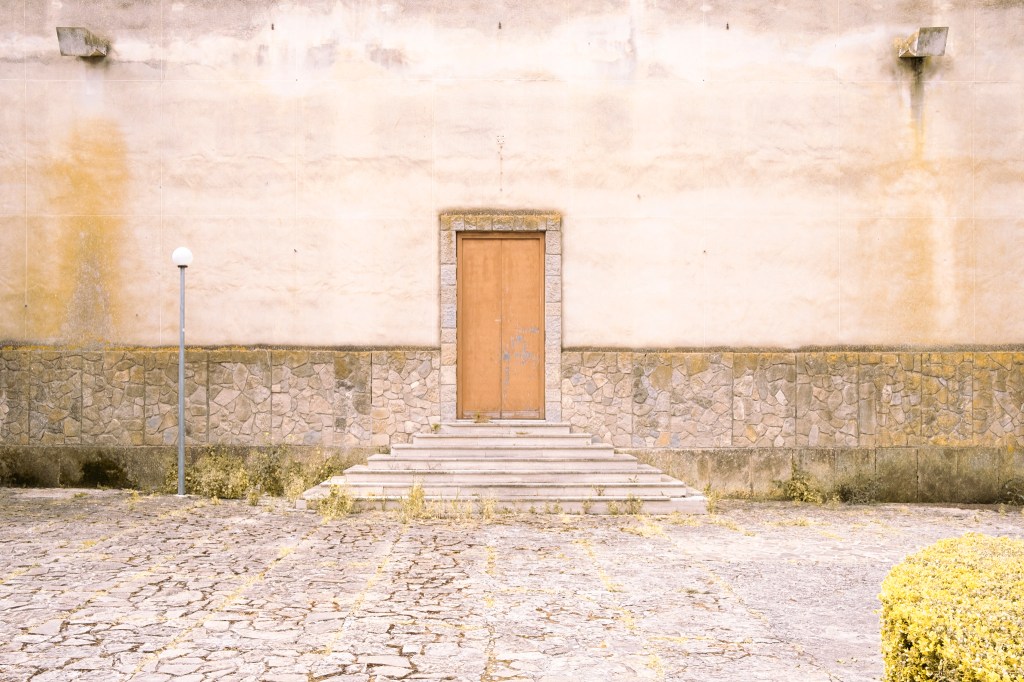
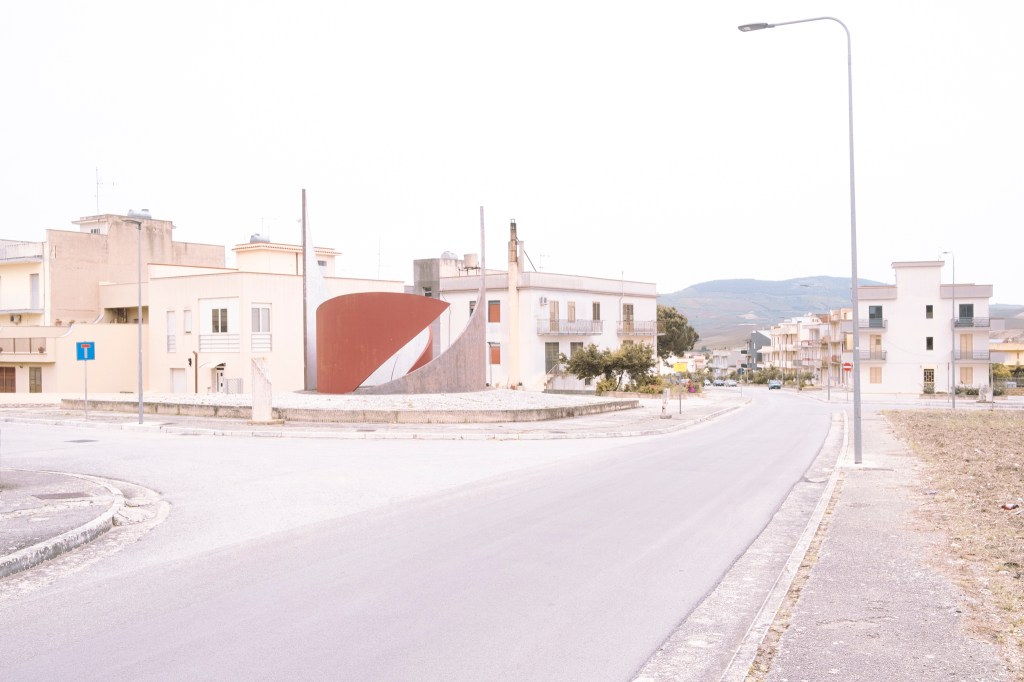
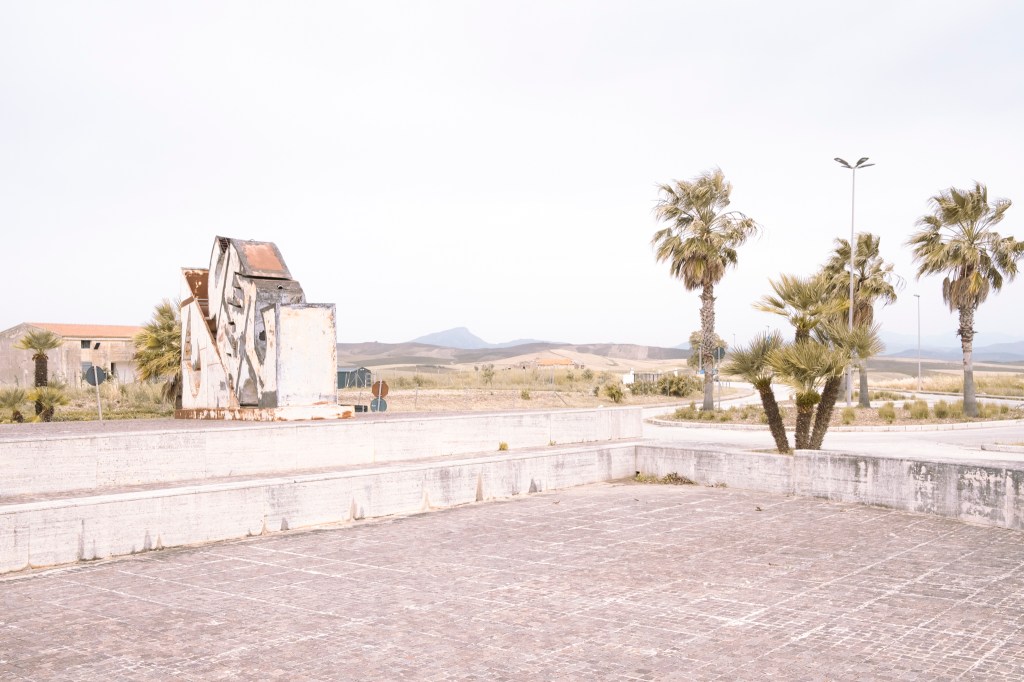
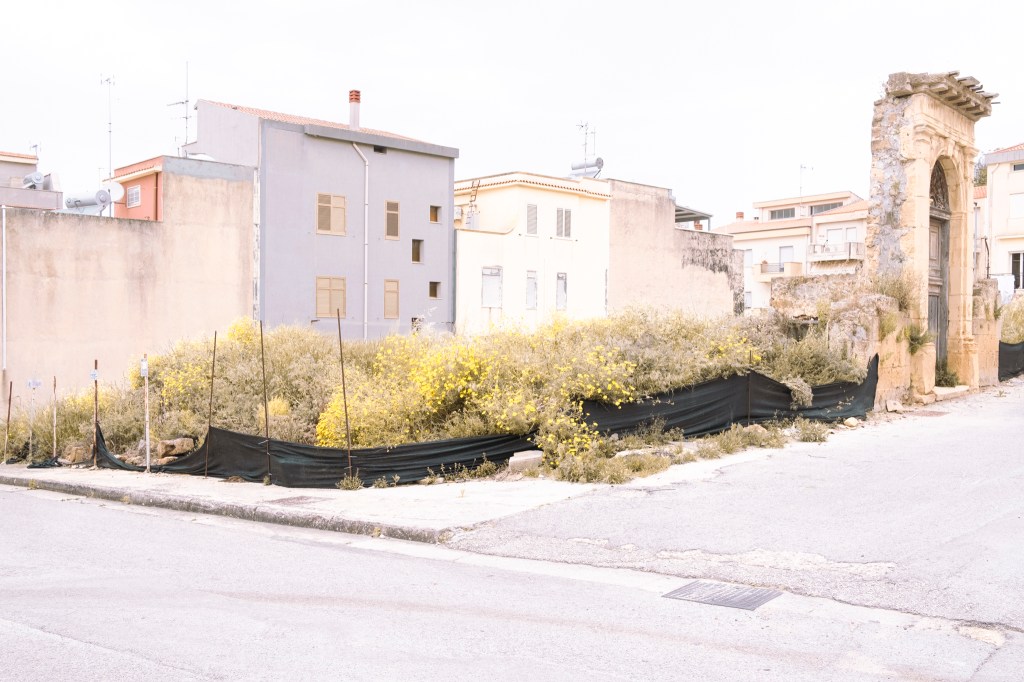
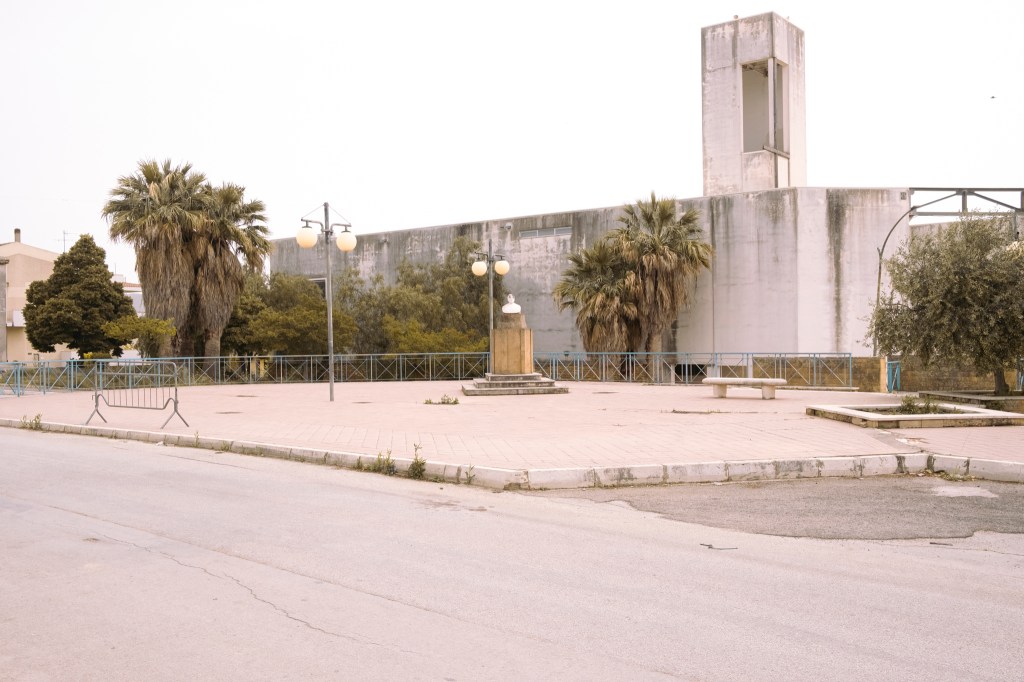
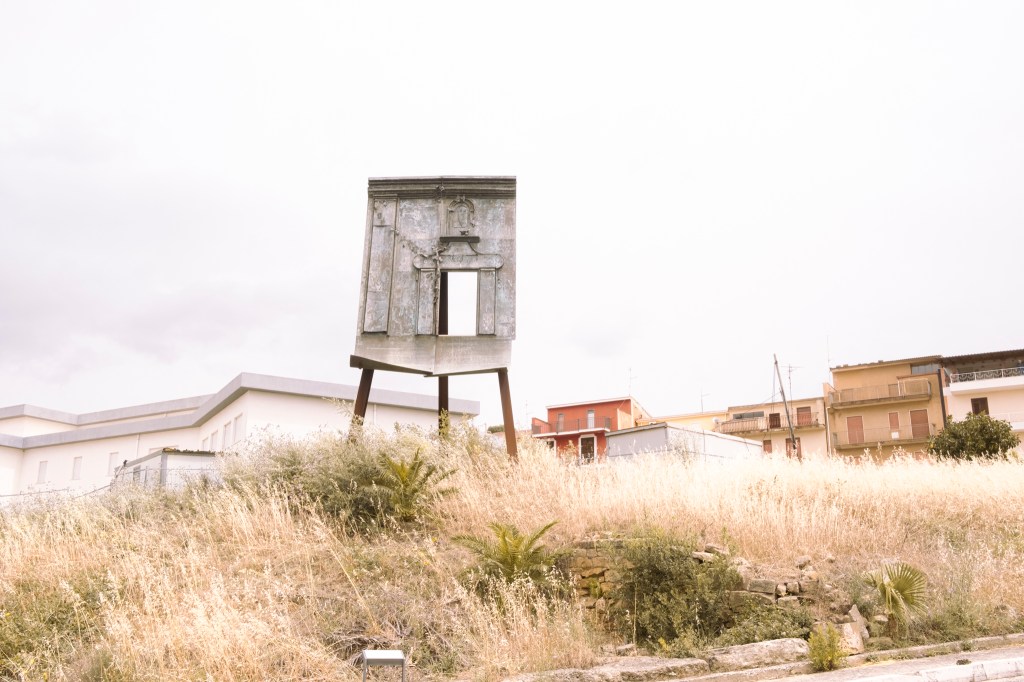
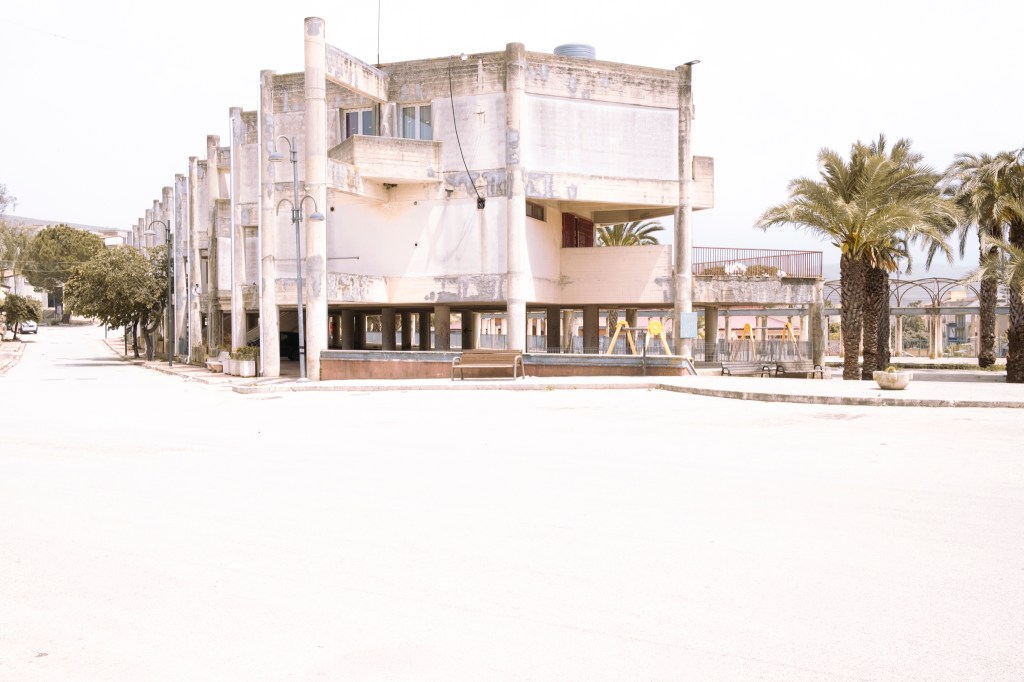
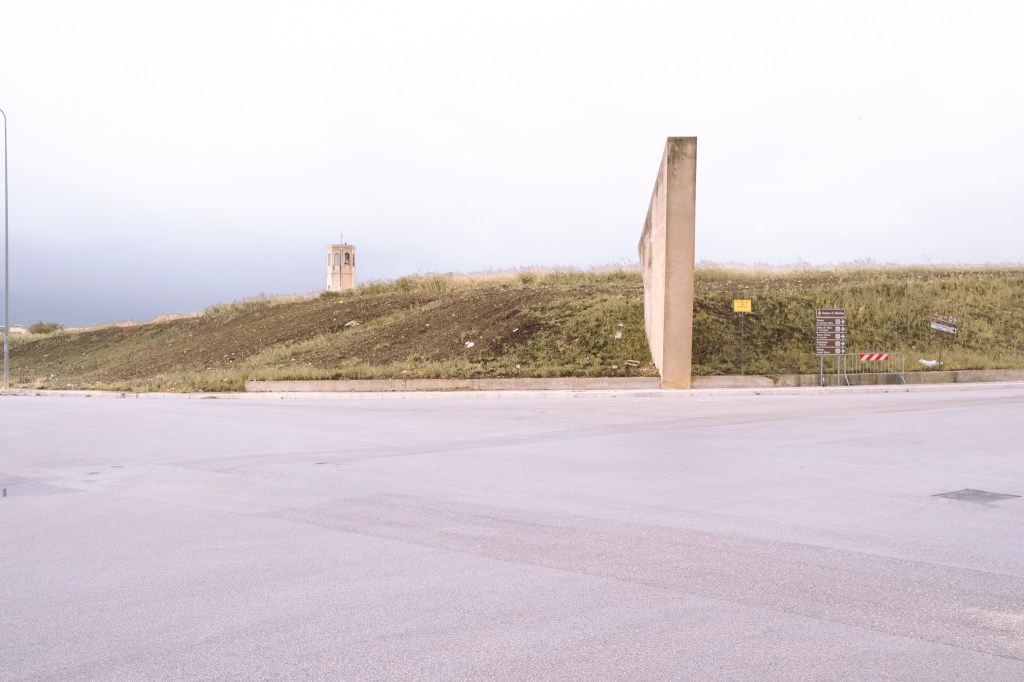
Il progetto “Conseguenze” và ad indagare, senza
dare giudizi, quello che rimane delle scelte
operate quasi 60 anni fa. Mostrando i resti
“architettonici” di quelle scelte. I grandi
edifici incompiuti, le grandi strade percorse da
un traffico esiguo, le piazze vuote o poco
vissute, le abitazioni chiuse, di come quelle
scelte architettoniche hanno influenzato e
cambiato la vita dei paesi.
Consequences
An earthquake according to the Treccani is a
movement of a more or less large portion of the
earth’s surface. But an earthquake is also much
more, above all an earthquake is a set of
‘consequences’. The consequences of an earthquake
are the most lasting marks it leaves. Consequences
on people, on things, on the land. Consequences
that we can define as direct and indirect. Many
times the indirect consequences are the ones that
leave the most visible and invisible marks.
Crossing the Belice Valley, walking through its
rebuilt towns, one encounters the consequences of
the earthquake of ‘68. In January 1968, a
frightful earthquake devastated the Belice Valley,
killing dozens of people, destroying entire towns
and leaving marks that are still visible today.
The towns of Gibellina, Partanna, Santa Ninfa,
Montevago, Poggioreale and Salaparuta, completely
razed to the ground, were abandoned. Consequences
of the earthquake were decisions by the
authorities, both local and national, that led to
the depopulation of the valley, the reconstruction
of the destroyed towns, but not taking into
account the old urban layouts, but moving them a
few hundred metres or tens of kilometres. The
rebuilt villages are the consequences of a
‘visionary’ policy, driven by good intentions,
that did not take into account the history and
territorial culture of the valley. The villages
were rebuilt following architectural criteria that
were probably too far removed from the spirit and
history of the Belice, not respecting the way of
life of its inhabitants. The consequences were the
flight of the inhabitants and a remaining
population that did not recognise itself in the
new villages, which felt alienated. The new
squares, the new churches, the new houses, were
not like those of the past with their aggregative
and social power.
The ‘Consequences’ project goes to investigate,
without passing judgement, what remains of the
choices made almost 60 years ago. It shows the
‘architectural’ remains of those choices. The
large unfinished buildings, the large streets with
little traffic, the empty or barely lived-in
squares, the closed houses, how those
architectural choices influenced and changed the
life of the villages.
 Massimiliano Tempesta